
Program 1 · Open
Transformer System
Enter the programHow Transformer systems are built, trained, run, integrated, accelerated and deployed. It grows out of my hand-written Transformer Series and my Chinese book, TRANSFORMER.
Numinens teaches how modern AI systems are really built. You start with the Transformer model. Then you build the agent around it, part by part. Later, you take it into the physical world.
Three programs, one after the other

The big map of the three programs is not done yet. Each program will have its own graph of questions that build on each other, and this map will put the three of them together, so you see where you are and what comes next.
Each program is its own site. You do Transformer System first: you can't understand an agent if you don't understand the model it wraps.
How Transformer systems are built, trained, run, integrated, accelerated and deployed. It grows out of my hand-written Transformer Series and my Chinese book, TRANSFORMER.

You take the Transformer system and you add, part by part, what makes a mature AI agent: perception, awareness of its environment, decisions, actions and self-evolution. "Digital lifeform" is a systems metaphor. It does not mean the system is conscious or alive.
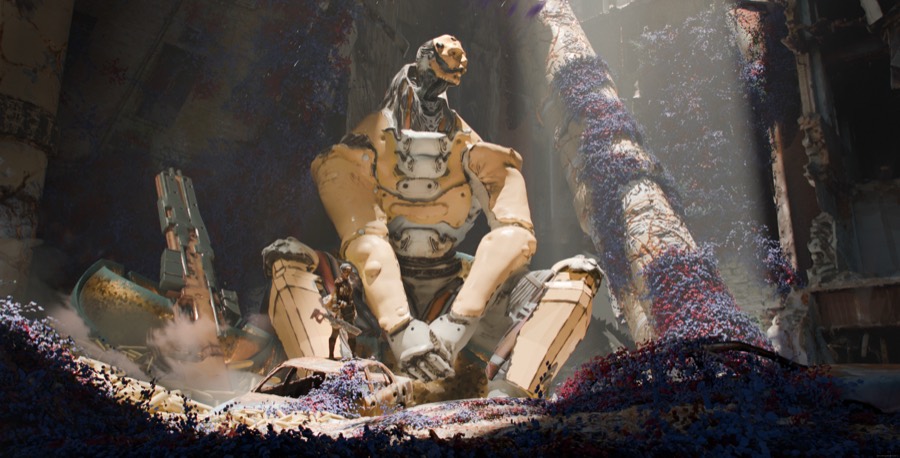
Physical AI, reinforcement learning and robotics. I still need to think it through and do real robotics first, so graduate students can build real things along the course.
You learn by reading, seeing, building and remembering. Some of this is still being built.
The articles keep the derivations, the tensor traces, the failure cases and the primary sources. Nothing gets cut to make it shorter.

Browse DeepSeek V3 and V4 in 3D while you follow the course, so you get a real picture of a modern architecture in your head. In Digital Lifeform, the agent goes around that same model and you see each component add to it.
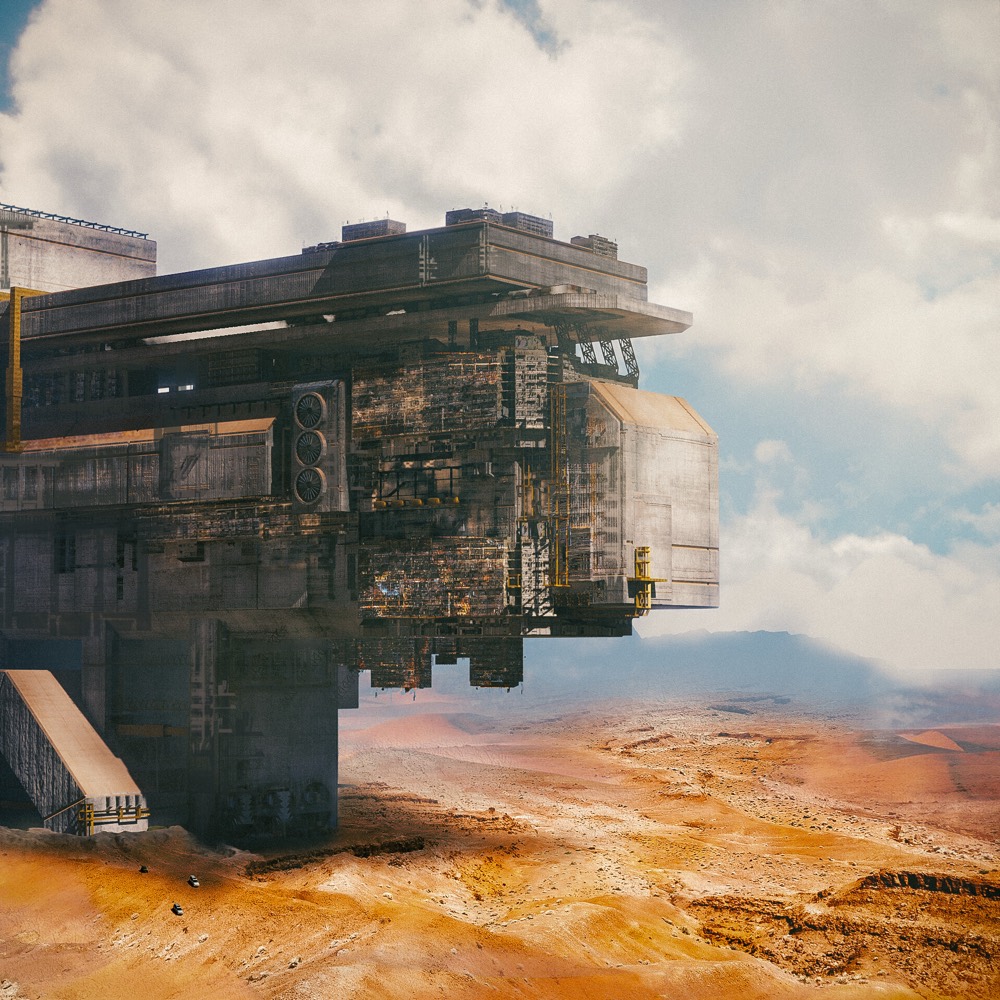
You start from a raw DeepSeek API endpoint and you add the components one by one. You understand the harness by building it, then you change it for your own use case.
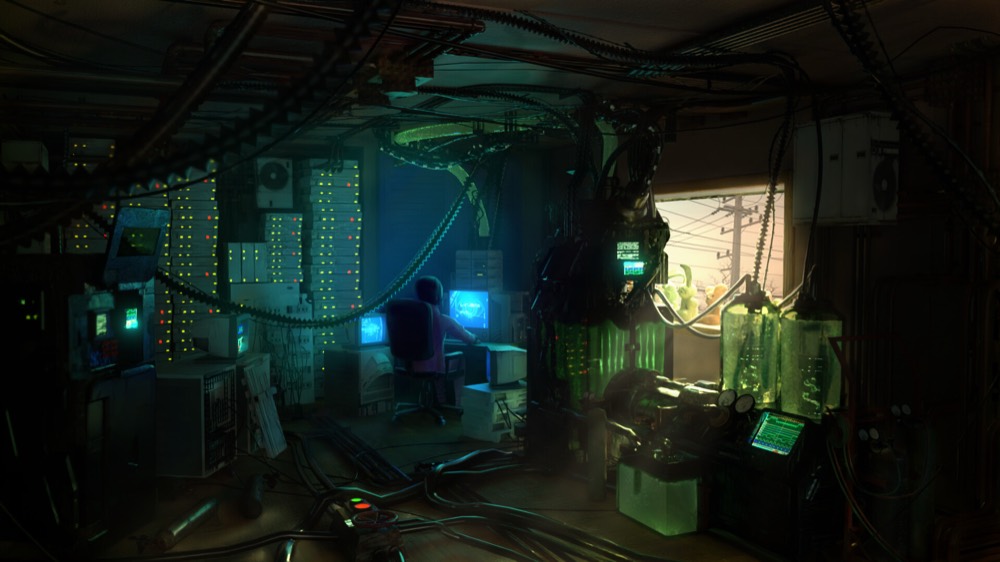
Each program has its own graph of questions, like RemNote: flashcards that build on each other, so you keep what you read.
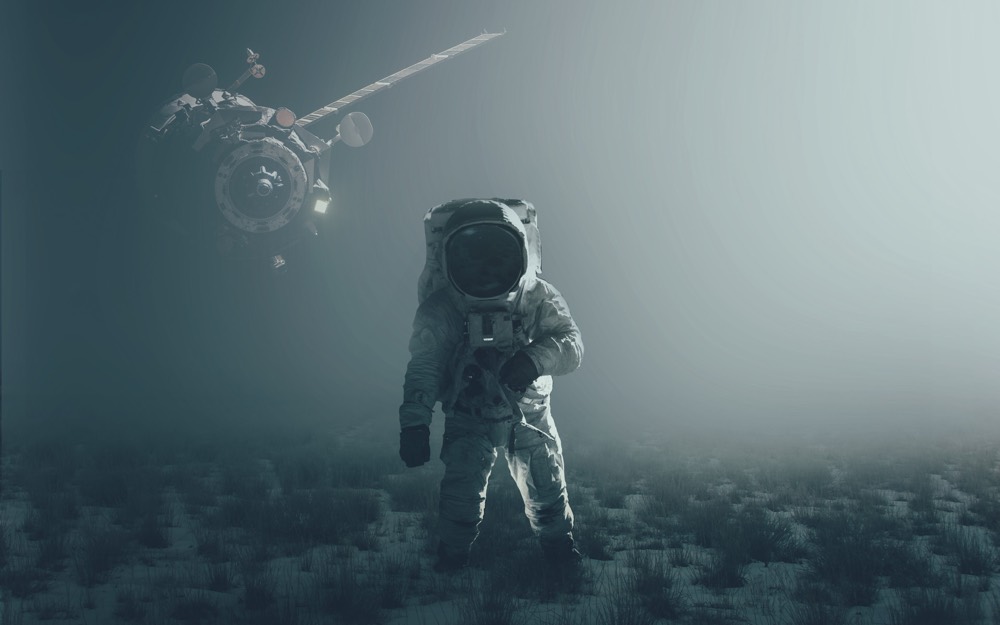
Playgrounds and challenges let you test things for real, the way iximiuz Labs teaches Docker.
Numinens.com keeps your stats across the programs. You enroll in a program a bit like you enroll in a program at a university.